
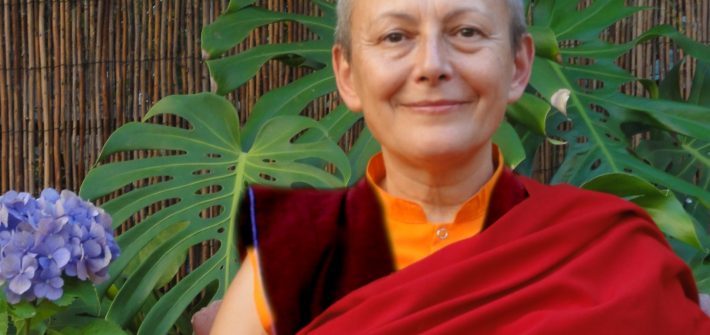
Despite having been excluded from the upper echelons of religious leadership in many traditions, women play a core part in religious communities. Women tend to attend religious rituals more regularly than men, and bring their male relations and spouses to these events. In more traditional societies, women facilitate community cohesion and assist the integration of […]
Raymond Lam
Soka Gakkai in Latin America: New Frontiers for Women
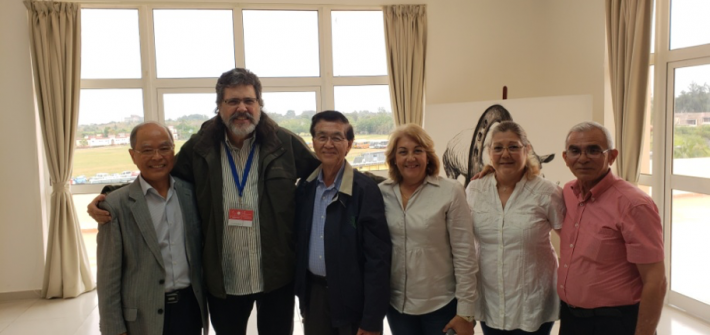
The worldwide organization of Soka Gakkai is classed as a “new religious movement,” which is characterized by lay leaders and pastors, a vibrant and proactive missionary philosophy, and a core message that is easily replicable and attractive. In Soka Gakkai’s hermeneutic, the Lotus Sutra is the core scripture that contains the essence of the Buddha’s […]
Love amidst Dislocation: Metta on the Move
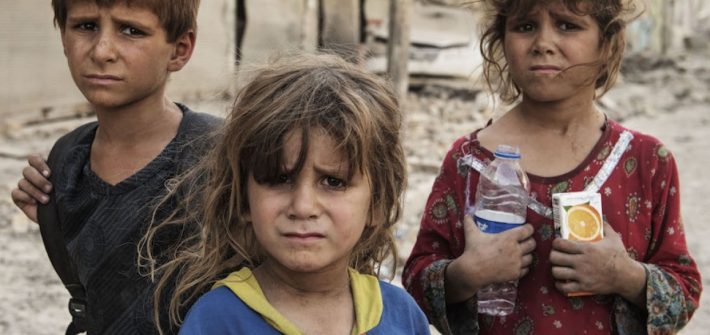
There were children fleeing broken countries with their families long before the current Ukraine crisis. The estimated total of displaced children on the move globally is 50 million: a staggering number, each statistic a fearful child taking extreme risks for the chance of a better life. (American Psychological Association) The ancient Metta Sutta is famous […]
Displaced Dharma: Ukraine’s Crisis of Refugee Children
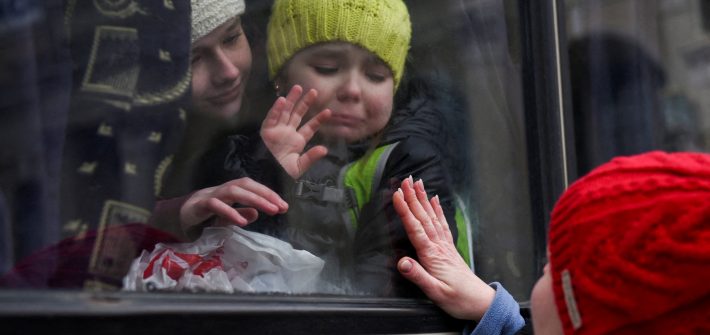
There are few experiences more distressing and traumatizing than being forced to leave home, and to flee somewhere, anywhere, that may offer physical safety from war. The endless calculations involved are exhausting: whether it is worth putting loved ones in further danger, fears of if the journey can be endured, and the sense of uncertainty […]
Nikkei Dharma: The Story of Jisen Oshiro Roshi
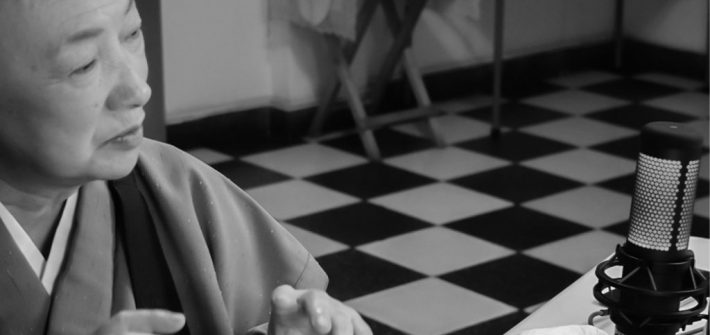
In our last BDE highlights entry, I mentioned the name of Jisen Oshiro Roshi, a priest that has devoted her life to propagating the Dharma in Peru. Born in Argentina Roshi, affectionately known as Aurora, is a nikkei burajiru-jin. Born in Argentina in 1946, Roshi is a pillar of the Peruvian nikkei community as well […]
Building Community: Local Concerns for Local Buddhist Women

BDE’s special issue on women, Mujeres y budismo en los países de habla hispana, is a unique project. Since it tells the story of Buddhist women in Spanish-speaking countries, it highlights problems specific to these women that might have been overlooked in English-language media. In Anglophone Buddhist feminist circles, including the broader Sakyadhita community, discourse […]
How Dharma-Gaia is steering Hispanic Buddhism on a course of ecological justice

Born after the landmark symposium of Sakyadhita Spain’s 2nd International Symposium of Spanish-Speaking Buddhist Women (“Dharma-Gaia: Buddhism, Women, and the Climate Crisis”), the Dharma-Gaia organization arose as an idea among Sakyadhita’s management that there should be a network of environmental feminism that could intersect with the Buddhist community. This group of “Buddhist eco-feminists” is an […]
Circles of Practice: Spanish-speaking Buddhist Women
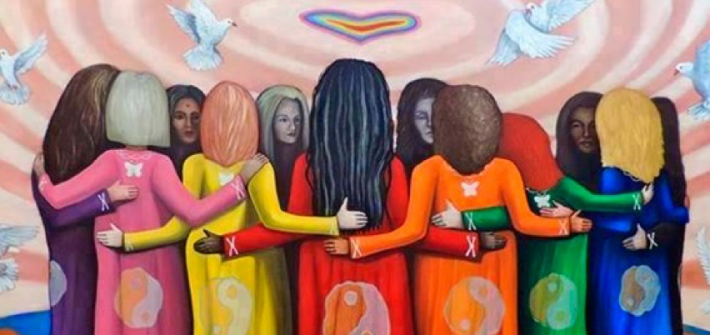
In the previous entry on our series introducing Hispanophone Buddhism, we covered Montse Castellà Olivé, founding president of the Spain chapter of Sakyadhita. Sakyadhita is commonly known as one of Buddhism’s most prominent women’s advocacy and research organizations. Since 2020, Sakyadhita Spain has hosted ten “circles of practice,” known in Spanish as círculo de práctica […]
Answering the Conch Shell’s Call: Schooling and the Religious Life
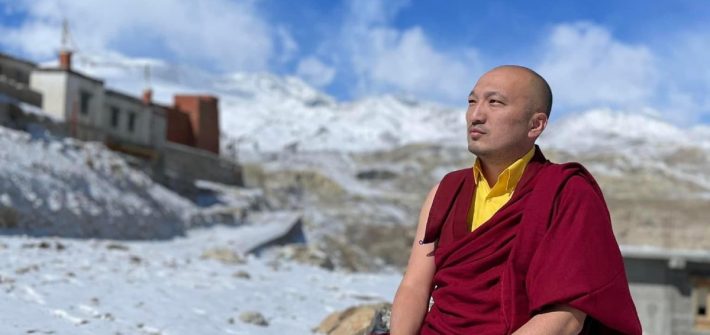
The second instalment of Choje Lama’s biography: a look at his early school years, and preparation for his religious vocation
Women Leading: Sakyadhita Spain
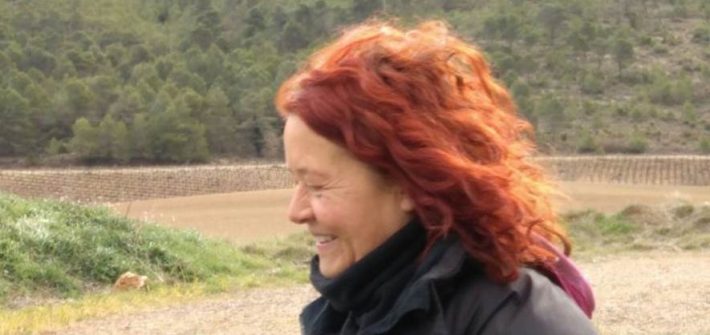
The day when “women in Buddhism” is no longer a separate category of discussion, is perhaps the day when the tradition has reached true gender equality. That day is a long way off, and so we are left with using this skilful means (upaya) to highlight the progress and difficulties of women in the Buddhist […]