
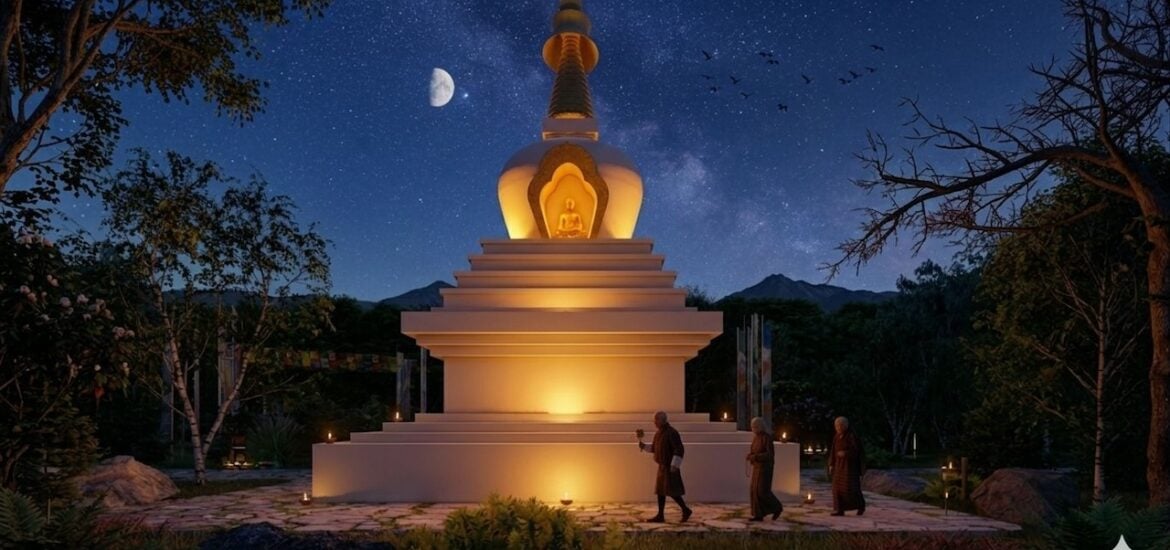
The construction of Gelephu Mindfulness City (GMC) represents the Fifth King of Bhutan’s ultimate project for his country’s long-term, sustainable transformation. Project 108, with its powerful blessing of erecting 108 jangchup chotens (stupas of enlightenment), is considered the opening consecration of the land of Gelephu, with the well wishes of many local and overseas supporters. Dasho Tashi Dorji, Lead of the Spiritual Work Stream of GMC, had a comprehensive exchange with Buddhistdoor Global about the significance of Project 108 and how it relates to the forthcoming development of GMC.
Buddhistdoor Global (BDG): How does Project 108 embody Bhutan’s Buddhist heritage and spiritual values, and in what ways will these principles guide its integration into the GMC?
Dasho Tashi Dorji (DT): Project 108 embodies Bhutan’s Buddhist heritage by carrying forward a tradition that has shaped Bhutan’s spiritual landscape, and its national identity, for centuries. Stupas have long served as repositories of sacred relics, teachings, blessings, and aspirations across the Buddhist world. In Bhutan, they are far more than architectural monuments; they are living symbols of lineage, pilgrimage, protection, and devotion that inspire generations to cultivate compassion and wisdom.
The number 108 holds profound significance in Buddhist philosophy. It represents completeness, the purification of the 108 mental defilements and the journey towards enlightenment. The decision to construct 108 stupas therefore carries deep symbolism, reflecting the aspiration for collective spiritual awakening and the flourishing of peace and harmony.
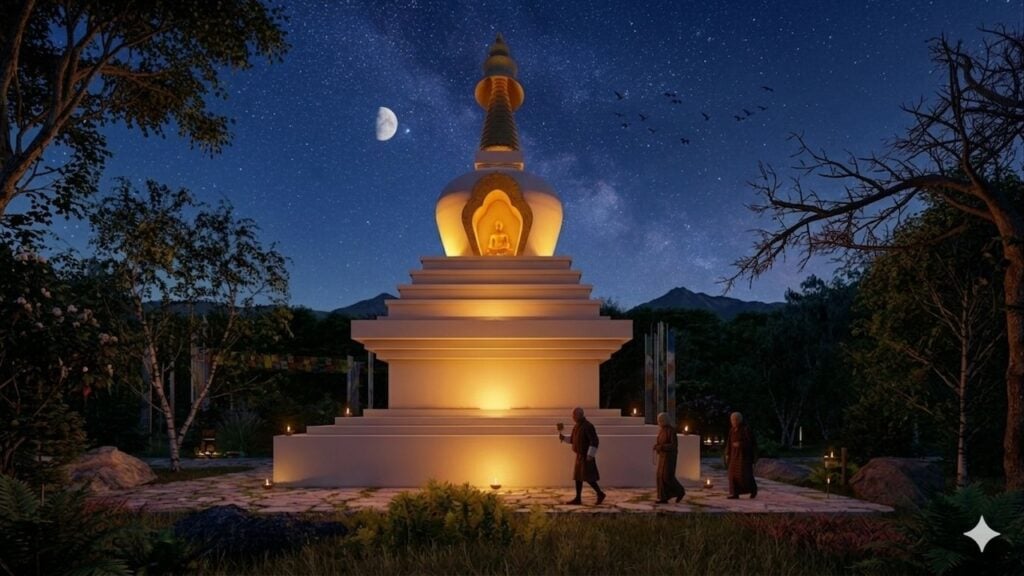
Under the visionary leadership of His Majesty the King, this ancient tradition is being preserved in a contemporary context. Rather than standing apart from the city, the stupas will be woven into the fabric of GMC. They will anchor neighborhoods, shape public spaces, and create places where people naturally pause for reflection, prayer and contemplation amidst daily life.
In this way, Project 108 demonstrates that Bhutan’s Buddhist heritage is not something preserved only in monasteries or history books. It is a living philosophy that can guide how a modern city grows. As GMC evolves, these timeless values of compassion, wisdom, interdependence, and mindfulness will continue to shape both the physical environment and the everyday lives of those who live, work, and visit there.
BDG: Beyond physical infrastructure, what spiritual or contemplative practices will Project 108 cultivate to help contribute to the overall atmosphere of mindfulness and spirituality of GMC?
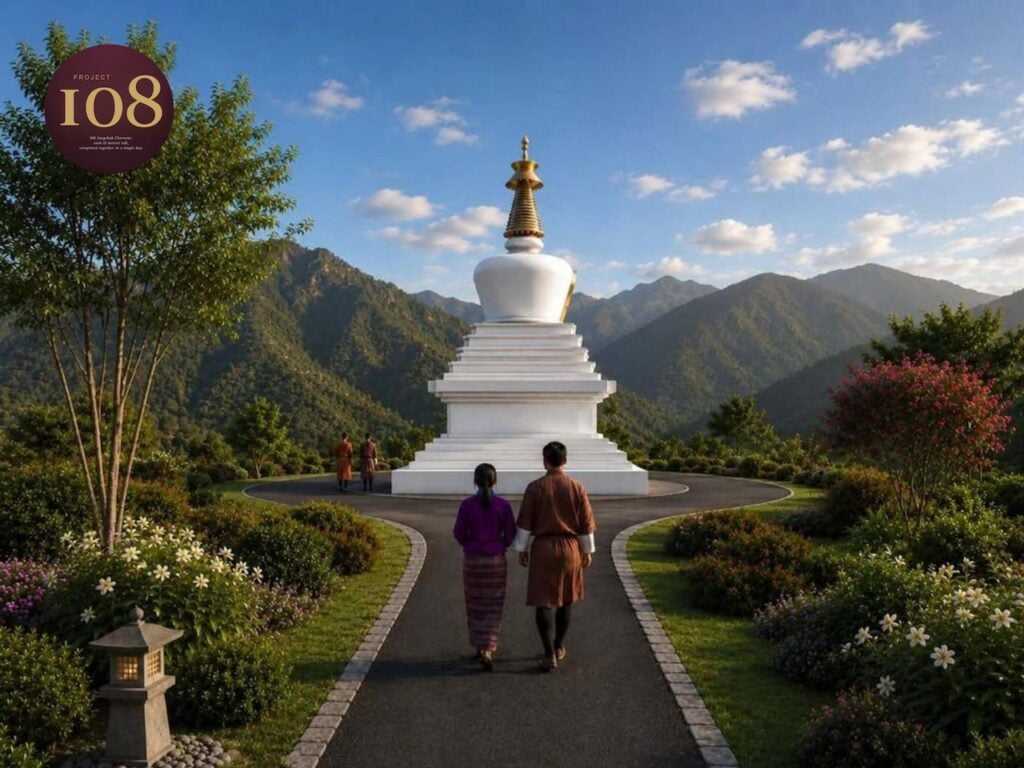
DT: The 108 stupas are intended to become living centers of Buddhist practice rather than static monuments. They will naturally encourage daily acts of mindfulness that have always been part of Bhutanese spiritual life, circumambulating the stupas, offering prayers and butter lamps, meditating, reciting mantras, making aspirations, and simply taking moments of quiet reflection.
Together, the stupas will form a network of contemplative spaces throughout GMC. They will create opportunities for walking meditation, communal prayers, religious observances, educational programs, and cultural festivals that bring together monks, lay practitioners, residents, and visitors. These shared practices help cultivate not only individual spiritual development but also stronger communities grounded in kindness, respect and compassion.
Equally important is the spirit in which Project 108 itself is being realized. Thousands of volunteers, artisans, monastics, sponsors, and supporters from Bhutan and around the world are contributing their time, skills and resources as an act of generosity and merit-making. The process of building the stupas therefore becomes a profound spiritual practice in itself, transforming service into an expression of the Dharma.
In GMC, mindfulness is not envisioned as an isolated activity but as a way of life. The stupas will quietly remind people each day to be conscious, reflect on what truly matters, and cultivate compassion in both personal and public life.
BDG: How has Project 108 involved local and foreign lay practitioners, Bhutanese citizens, and monks in the overall volunteer efforts, especially as we get closer to November?
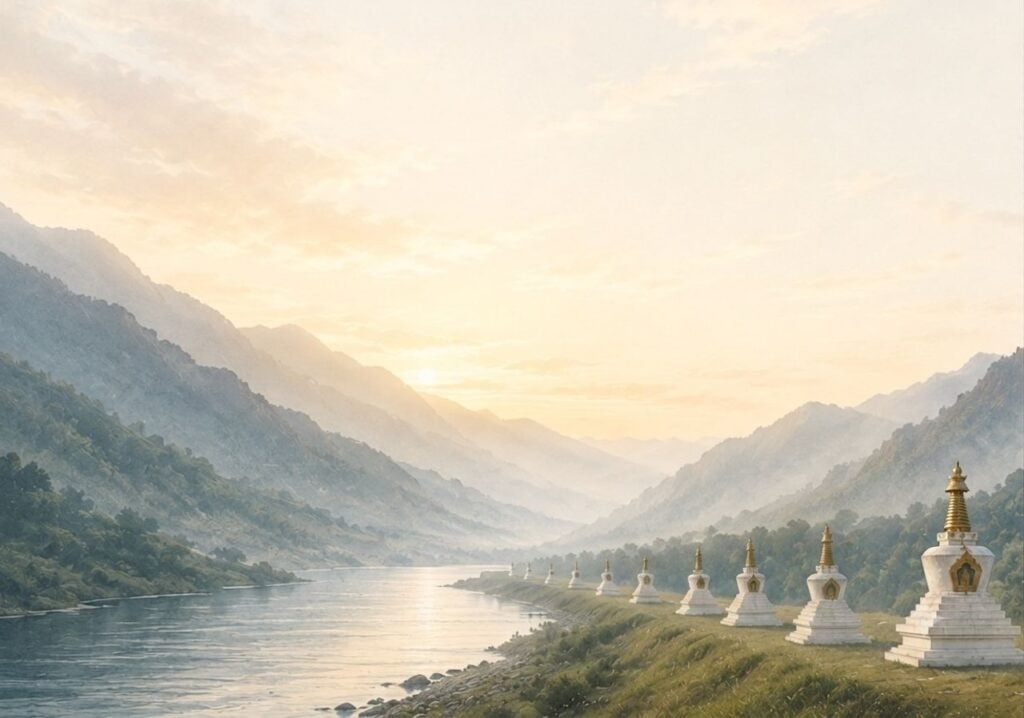
DT: One of the most remarkable aspects of Project 108 has been the way it has brought together people from every walk of life in a shared act of merit-making. The project has inspired Bhutanese citizens, monks, volunteers, public servants, artisans, students, corporate partners, and international supporters to contribute according to their abilities, creating a truly collective undertaking.
As preparations intensify towards the historic construction of all 108 stupas in a single day this November, participation continues to grow. Volunteers are contributing through fundraising, logistics, communications, technical expertise, construction support and community mobilisation, while the Central Monastic Body provides guidance and oversees the spiritual aspects of the project.
Project 108 has also drawn support from individuals across the world who share an appreciation for Bhutan’s spiritual heritage. Contributors from diverse countries have come forward to support individual stupas and other components of the project, reflecting the universal appeal of His Majesty’s vision of compassion, peace, and collective well-being.
His Majesty’s leadership transforms spiritual aspiration into civic practice. The decision to erect 108 stupas in a single day is a deliberate, poetic gesture: it makes sacred architecture accessible, communal, and immediate. The scale and speed of the undertaking signal that devotion need not be solitary or slow; it can be collective, organized, and joyful, an act of global solidarity that invites every citizen to participate in building both monuments and meaning.
BDG: In positioning Gelephu as a Mindfulness City, how will Project 108 serve as a beacon for international visitors and practitioners seeking authentic spiritual experiences rooted in Bhutanese culture?
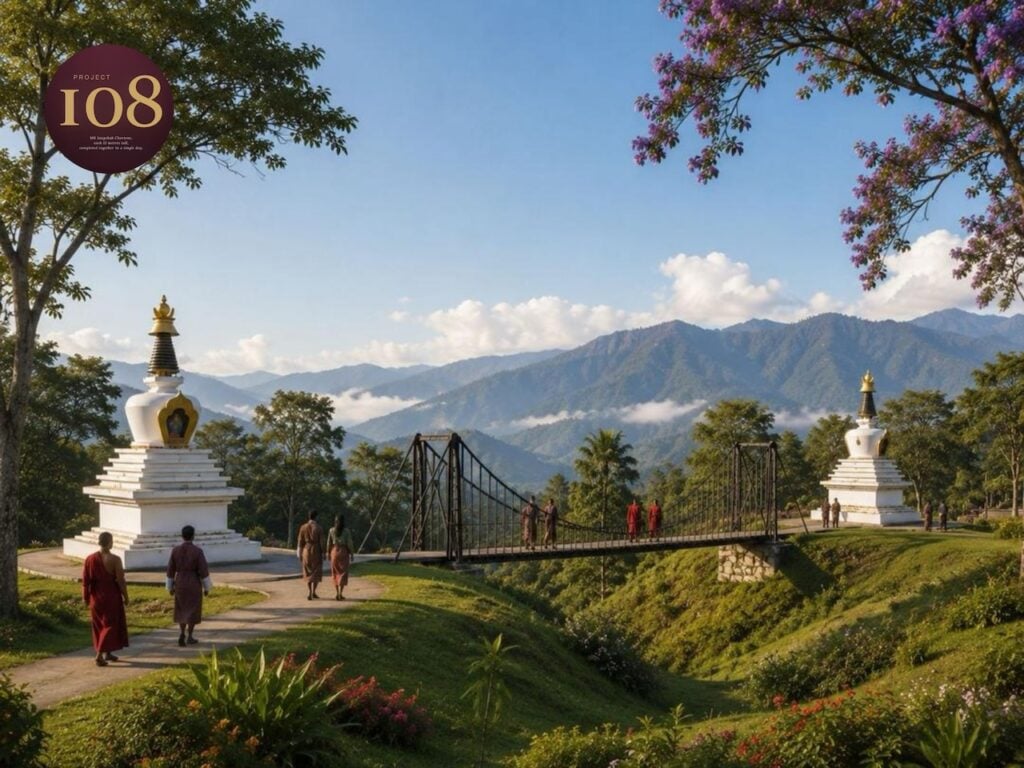
DT: Project 108 offers something increasingly rare in today’s world, an opportunity to experience Buddhism not simply as a historical tradition, but as a way of life. Rather than visiting isolated monuments, international visitors will encounter a city where spiritual values are woven into everyday life and where sacred spaces remain active centers of practice, learning, and community.
Each stupa is a place for individual reflection, an invitation to pause, to turn inward, and to renew vows of compassion and wisdom. Together, 108 stupas form a network of practice: they create routes for walking meditation, nodes for communal prayer, and visible reminders of ethical responsibility. The act of building in one day fosters “collective merit-making”: artisans, volunteers, monks, politicians, international volunteers, and families working side by side, sharing labor and intention. The shared effort strengthens social bonds and cultivates a sense of belonging that is itself a form of spiritual wealth.
Each stupa embodies a teaching of impermanence, compassion, and the stages of the path, so that moving among them becomes a lived experience. The ensemble becomes a living curriculum for young and old, a place where stories, rituals, and values are transmitted.
For practitioners, scholars and travelers alike, Project 108 will stand as an authentic expression of Bhutan’s unique approach to development, one in which economic progress, environmental stewardship, cultural preservation, and spiritual well-being are pursued together. It demonstrates that a modern city can still nurture the inner life of its people while welcoming the world to share in that experience.
BDG: What role do you see Project 108 playing in sustaining Bhutan’s identity as a spiritual nation, while also contributing to the economic and cultural vitality of GMC in the decades ahead?
Project 108 represents a lasting investment in Bhutan’s spiritual identity. Under the guidance of His Majesty, it affirms that faith is not separate from national development, or prosperity from mindfulness, but can actively influence how communities are built and how societies flourish.
The 108 stupas will continue to serve future generations as places of prayer, contemplation, and learning. They will stand as silent teachers, reminding people that compassion, generosity and wisdom remain enduring foundations for both individual fulfilment and collective progress. In doing so, they help preserve Bhutan’s Buddhist heritage while ensuring that it remains vibrant and relevant in an increasingly interconnected world.
At the same time, Project 108 will contribute significantly to the cultural and economic vitality of GMC. As an internationally recognized center for Buddhist pilgrimage, learning and mindful tourism, it will attract visitors seeking authentic spiritual experiences rooted in Bhutanese culture. This creates opportunities for local artisans, guides, cultural practitioners, hospitality providers, and communities while encouraging sustainable forms of development that respect both people and the environment.
Ultimately, Project 108 demonstrates that spiritual values and economic progress are not opposing forces. They can strengthen one another. The stupas will become enduring symbols of Bhutan’s belief that true prosperity includes not only material well-being but also inner peace, compassion, and collective happiness.
BDG: HE Sangay Dorji recently gave a speech urging support for Project 108, and he has also been appointed as chairperson of Shambhala Dzong. What will be the role of the Central Monastic Body in the development of GMC?
DT: The Central Monastic Body will play a vital role in ensuring that the spiritual foundations of GMC remain authentic and firmly rooted in Bhutan’s Buddhist traditions. Their guidance extends well beyond ceremonial functions; they provide the religious leadership that safeguards the integrity of the project from beginning to end.
For Project 108, the Central Monastic Body will oversee the spiritual aspects of the construction process, including groundbreaking ceremonies, the preparation and approval of sacred relics, the installation of the inner relics within each stupa, and the final consecration ceremonies. They will also advise on the appropriate placement of relics and ensure that every stage is carried out according to established Buddhist traditions.
More broadly, their continued involvement will help shape the spiritual character of GMC. As the city develops, the Central Monastic Body will provide ongoing guidance to ensure that Buddhist values remain integrated into civic life, cultural preservation, and community development.
Their presence reflects an essential principle of His Majesty’s vision: that GMC is not simply a smart city with Buddhist symbols, but a city whose growth is guided by authentic spiritual wisdom, compassion, and service for the benefit of present and future generations.
Related news from BDG
Related posts from Tea House
Project 108: A Monumental Royal Initiative for the Kingdom and the World