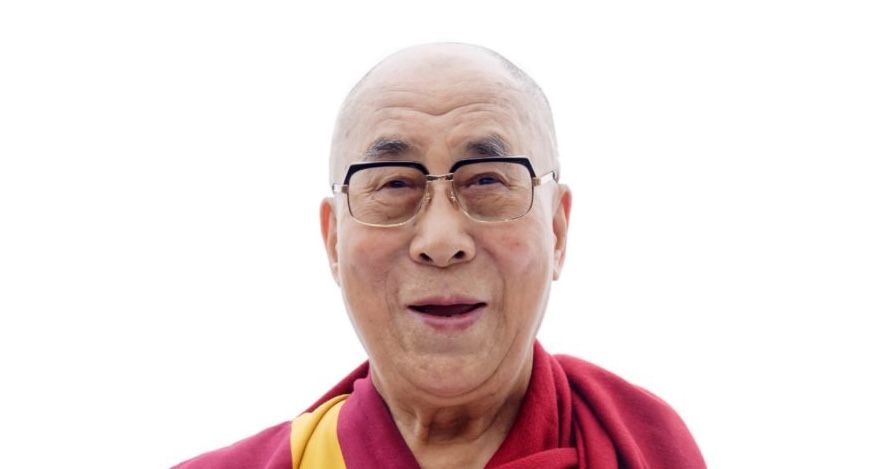
The Dalai Lama has exercised a subtle but enduring influence on my thinking and approach to the philosophy of religion: not only because he is the most influential Buddhist leader of the 20th and even 21st centuries, but also because two of his books were formative to my interest in Buddhism. First, there was The Art of Happiness (1998), which was co-written with Howard C. Cutler and which I read closely during my high school days. I was a boarder at my school, and some classmates who shared my dorm noticed the book by my bedside. Despite the ribbing I would receive (barely anyone knew about the teachings of Buddhism, including myself, as I was only starting to feel out the contours of the Dharma), I remember there being genuine, if mild, interest in the premise that happiness could be cultivated like a discipline, akin to even a sport.
Several years later, while I was reading religion and philosophy at university, I picked up The Universe in a Single Atom (2005) sometime in 2007 or 2008. It was formative because it was specifically addressing matters raised in the Avatamsaka Sutra, the Mahayana scripture that essentially convinced me of the theological and philosophical truth of Buddhism. I would take refuge for the first time in 2008, telling my late preceptor that I had converted to the Dharma in large part to the Avatamsaka Sutra, and by extension, the Dalai Lama’s exegesis.
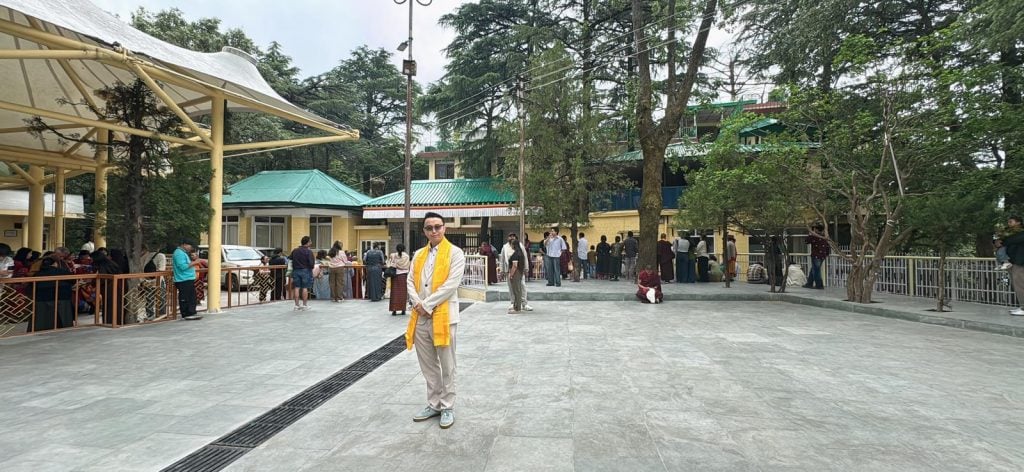
Nearly two decades later in 2026, at Dharamshala, my group of three was able to ask His Holiness one question. Our chosen questioner, who coincidentally was a fellow Old Boy (reminding one of The Art of Happiness from all those years ago), led with:
“What does it mean to live with an open heart?”
His Holiness replied: “Wherever you go, there are always some troubles. So, you need to look at things from a wider perspective. You have suffered, see, like myself. Look, the world has a lot of problems. But we can say, ‘Seems okay, now I have to face.’ But if you see one problem as being too serious, your mind will worry about it too much. Look from a wider perspective. Is better.”
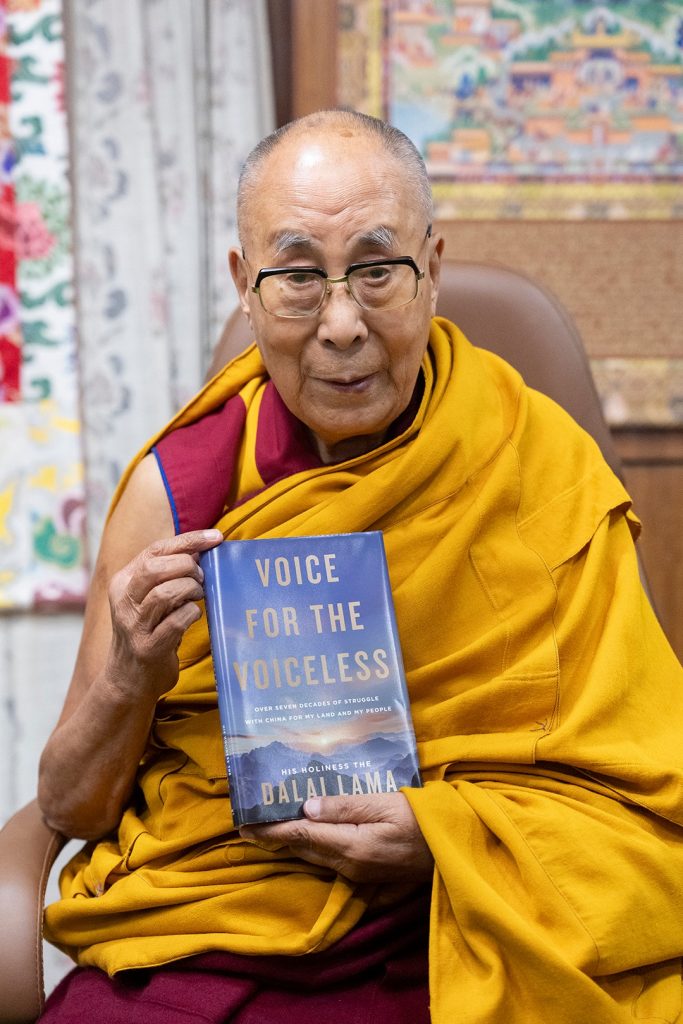
Anyone who has visited His Holiness knows that ordinary well-wishers have but a few seconds to get their point across before they are quickly directed out of the hall for the next individual or group. I was told by the friend that helped connect us to Dharamshala that His Holiness enjoyed receiving guests from Hong Kong and China. So, I simply said: “I’m Raymond from Hong Kong. We love you, and we revere you.”
With that, security and attendants ushered me away, one of many visitors who only had a few seconds to share their gratitude for all His Holiness has done. I meant what I said to him. From the perspective of global Buddhism and the reshaping of the Buddhist intellectual, geopolitical, and cultural landscape in the 20th and 21st centuries, there has never been a figure like him, nor will such a figure realistically appear again.
Related blog posts from BDG
The Dalai Lama and the Jonang Gyaltsab Rinpoche Reunite at Thekchen Choeling