
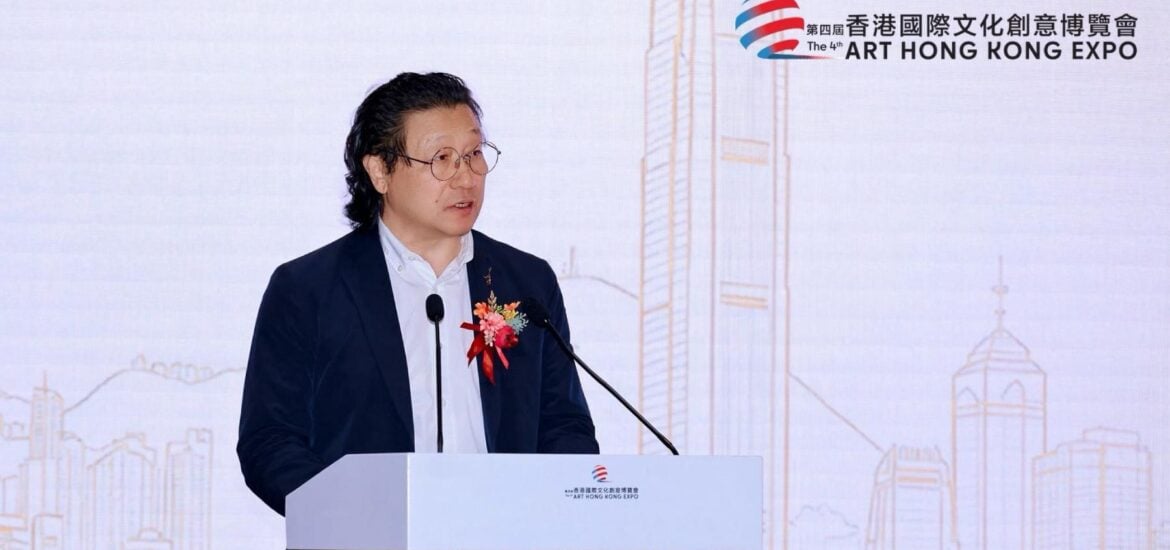
From 26–29 October, acclaimed Chinese master artist Zhao Zhijing is hosting his first solo exhibit in Bhutan, “Auspicious Light on the Snowland: Art Exhibition by Zhao Zhijing” (雪域和光—赵之境艺术展). It is being co-hosted by the Central Monastic Body of Bhutan (CMB) and the China International Ink Art Association and supported by HE Sangay Dorji, Laytshog Lopen and Chairman of the Central Monastic Body of Bhutan.
Zhao is a respected and established contemporary ink and watercolor artist. Born in Inner Mongolia, he currently serves as the Chairman of Visual Arts at the Hong Kong Arts Development Council, the Executive Vice Chairman of the Hong Kong Artists Association, and is an active member of the China Artists Association.
The exhibit is to be held at Dolma Choekhang in Thimphu, one of the temples under the care of Ven. Sangay Dorji, who is also chairman of Shambhala Dzong in Gelephu Mindfulness City (GMC). Shambhala Dzong is the Central Monastic Body’s main monastery in the fledgling SAR, which will be blessed with a consecration under the Project 108 initiative on 1 November.
On 23 February 2025, three monks—Khenpo Lama Tenzin (Vice Chairman of the Karmapa Chenno Foundation, a charity under HH the Gyalwang Karmapa), and CMB members Lopen Kezang Tsering and Lopen Sangay Tenzin—visited Zhao Zhijing’s studio in Hong Kong to study Chinese calligraphy and painting. This journey, evolving from an artistic connection to the realization of the exhibition, continues this unique collaboration between China and Bhutan on cultural and artistic exchange.
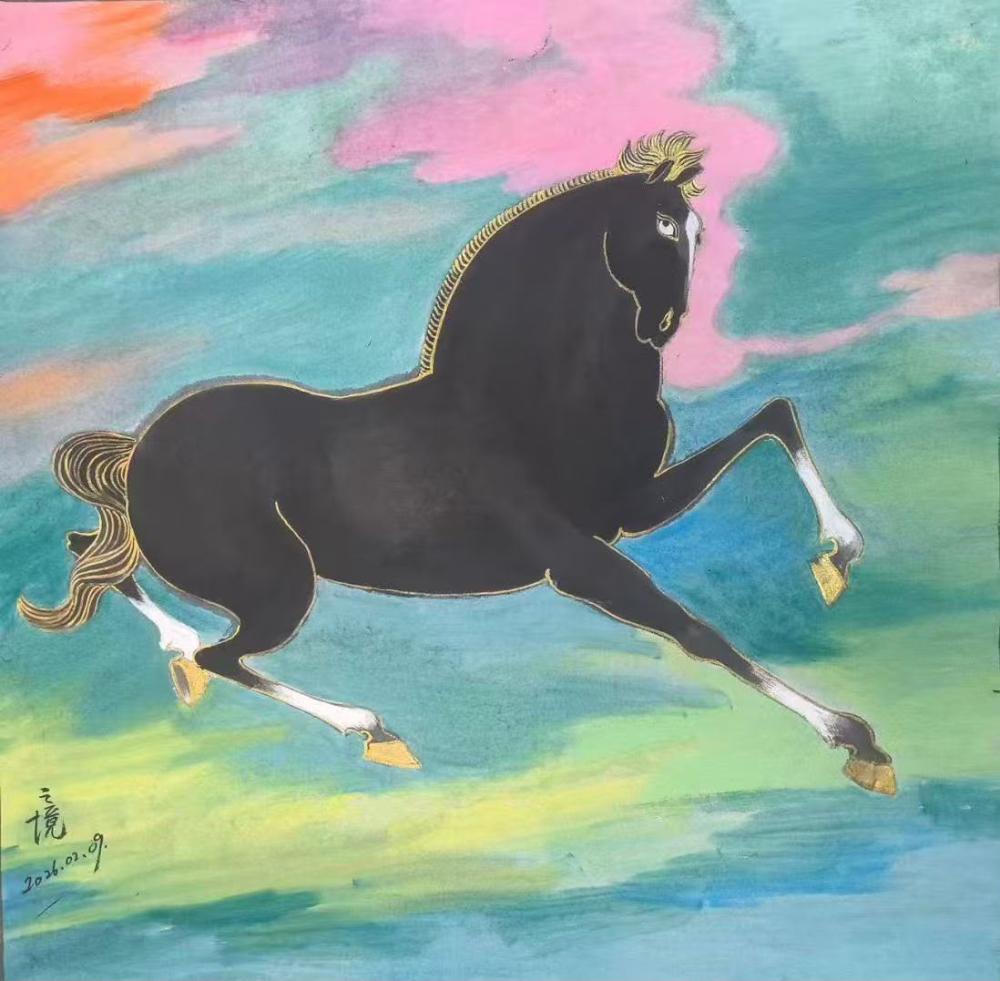
The opening will be held on 26 October, with special guests attending to see Zhao’s artwork on display for the first time in the Himalayan kingdom. The exhibition showcases a curated selection of Zhao Zhijing’s recent works, spanning diverse styles: traditional ink calligraphy and painting, innovative modern ink art, and the signature “Steed” series, which reflects the artist’s personal life journey. While the works vary in style, they are united by a shared spiritual core: the culture of auspiciousness. Auspiciousness is a vital spiritual theme in Chinese art, where imagery embodies beauty and symbolism conveys heartfelt wishes—such as great fortune, the fulfillment of all aspirations, and instant success—aligning perfectly with the Buddhist spirit of compassion that seeks to benefit both oneself and others. Cross-cultural artistic exchange serves as a sincere transmission of goodwill and a mutual offering of beauty.
“Harmony” is a core philosophical concept in Chinese culture, emphasizing unity amidst diversity and the shared appreciation of beauty. “Auspicious Light on the Snowland” envisions using ink as light and art as a bridge to illuminate the Land of Snows, blending the cultural legacies of both regions and deepening the friendship between the two nations.
The Shambhala Dzong organization has already recruited a roster of Overseas Goodwill Ambassadors (OGA) to assist in its global mission. Buddhistdoor Global’s Himalayan Correspondent and columnist, Rebecca Wong, will be serving as one of the three OGAs based in Hong Kong. At the opening on the 26th, she will be signing a partnership agreement with the Central Monastic Body, represented by Ven. Sangay Dorji, to promote artistic exchange between Hong Kong and Bhutan over the next few years.
“Auspicious Light on the Snowland: Art Exhibition by Zhao Zhijing” will be a milestone event that lays the groundwork for further cultural collaboration under the Shambhala Dzong aegis. It is also intended to inspire artists in both Bhutan and Hong Kong to be inspired by each other’s work, and to explore aesthetic possibilities and dialogues between local traditions and different techniques of creating art.
May China and Bhutan enjoy auspiciousness, well-being, and an enduring friendship.