
If you consider yourself a watcher of Bhutanese affairs, it is advisable to keep an eye on two major directions that the Buddhist kingdom is heading in. The first is the elevation of women’s rights and equalization of clerical authority, which was reaffirmed by the most recent gelongma (bhikshuni) ordination of 265 women by His Holiness the Je Khenpo. The journey of fully ordained monastic women, of course, does not end with the confirmation of their gelongma vows. They need to be provided the necessary resources, including fully functional nunneries with learning resources and facilities, to fully participate in the life of monastic life in Bhutan. The second is the transformation of Bhutan into a nimble hub of ecumenical Buddhism and economic investment through Gelephu Mindfulness City (GMC).
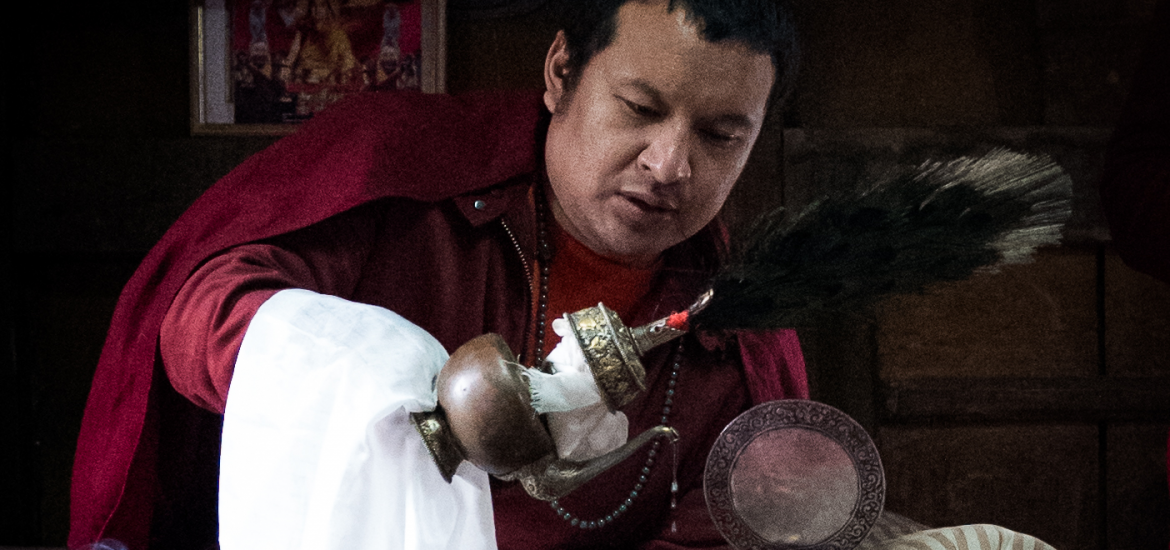
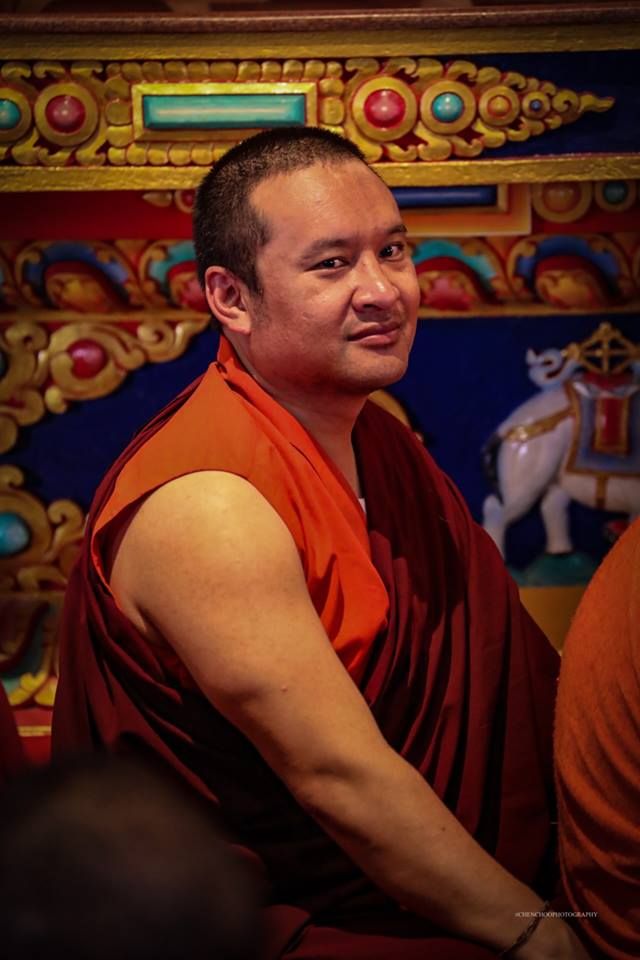
Involved in both of these grand visions is His Eminence Chung Tulku Rinpoche, who is building Tshogyel Lungtok Tengayling Nunnery in Paro. He is also building a center at GMC. Chung Tulku is an independent voice and a free spirit, despite being personal friends with the most senior members of his country’s royal family. He is the founder of Druk Dhayna Zhitshog, which is assisted by several Hong Kong team members, including social entrepreneur and Chief Consultant of Impact Incubator Prof. Howard Ling, Senior Legal Counsel of Alibaba Group Vivan Lee, and Fintech executive Adam Lau. We had met in Hong Kong, where he was soliciting interest in supporting the Nunnery. “There are many more monasteries than nunneries in the kingdom, and nuns suffer from a lack of long-term support,” he observed, “and even for women in the monastic life, the learning environment and opportunities to study Buddhism are limited in scope and quality.”
Chung Tulku, by his own admission, is not the most well-known teacher despite his proximity to His Majesty the Druk Gyalpo and his friendship with Her Majesty the Queen. “My lineage is not too famous among young people, because my preceding reincarnation was much more of a retreat master and spent most of his time in the wilderness and the mountains,” he told me. He is a short lineage holder of the Yangti Nakpo (Single Golden Letter of the Black Quintessence) school, which consists of a cycle of 15th century Dzogchen teaching focused on the fabled “dark retreats.” It consists of the long lineage transmission (ring gyu) from Dungtso Repa the Later and the short lineage (nyegyü) through Trulshik Dongak Lingpa.
Chung Tulku was enthroned in 1996 during the Nyingma Moenlam Chenmo as the third mind reincarnation of Trulshik Dongak Lingpa. “But I am not concerned with fame or name. I just want to fulfil what I’ve been called to do, which is to benefit and boost the feminine energy of Tshogyel Lungtok Tengayling Nunnery and Bhutan as a whole,” he has stressed.
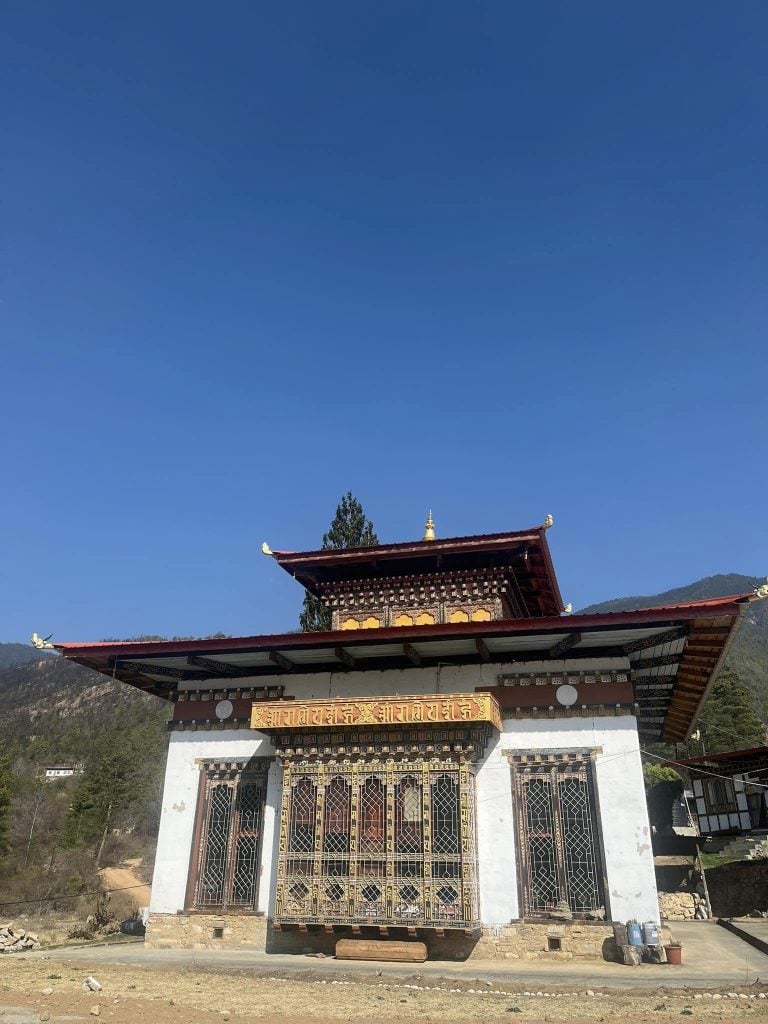
The Nunnery’s three patron deities, Guru Rinpoche, Medicine Buddha, and Green Tara, embody the philosophy of the community: “Healing with Compassion, Acting with Wisdom.” Chung Tulku’s vision for the institution is to become a cradle of learning and practice for Bhutanese nuns. Its mission aims to cultivate nuns capable of serving society, which includes offering training in English, I.T., and A.I. This means combining traditional monastic pedagogy with schooling in modern skills that will be helpful to women, whether they choose to stay in the Nunnery or re-enter society as laywomen.
As Chung Tulku often says, “Women are a special inspiration. They carry many responsibilities and roles: mother, teacher, wife, lover, daughter, sister, friend, and leader.” With the Je Khenpo having ordained hundreds of women (and these ordinations only seem to be gaining pace), the need for safe environments conducive to learning and practice is becoming absolutely clear.
Currently, Chung Tulku has several priorities: the construction of a main hall that can seat over fifty people, a dormitory with sixteen bedrooms (each with four beds), and teaching spaces with classrooms and a library. With the Nunnery being legally registered and fully transparent in its annual audits and donation receipts, Chung Tulku’s project has received government praise and recognition. There are already 19 nuns residing at the Nunnery grounds, but a further US $2 million is needed to complete the infrastructure and public facilities, kitchen and dining, and living quarters for teachers and visitors, along with the main hall, dormitory, teaching premises, and library.
One way in which prospective supporters can seek to donate productively to the Nunnery’s cause is through offering donations to tsa-tsa ancestral memorial niches of various positions according to three grades: US $2,000 (standard), $8,000 (premium), and $16,000 (noble). There are also continuous support options, such as monthly Medicine Buddha and Green Tara pujas and donations for regular, healthy meals for the nuns.
The entire zeitgeist of Bhutan is moving in the direction of the educational empowerment of nuns. Yet material wellbeing and educational resources remain lacking for many female monastic communities. His Eminence, who operates with transparency and moves effortlessly in the Himalayan kingdom, has long held the noble aspiration to rectify the disparity of resources between monastic women and men. Tshogyel Lungtok Tengayling Nunnery represents his first major step in realizing that vision, as well as a transparent and lively community that needs support from all that believe in the potential of religious women.
Related news reports from BDG
Related features from BDG