
Master Jingzong; English translation by Foying, edited by Jingxing We may develop trust in someone by listening to their words. But sometimes that does not suffice, and we need to observe, investigate, gather facts and have firsthand experience before believing. Which of these two approaches shows greater confidence in the other person? Both Amitabha-recitation and Amitabha-contemplation take […]
Author: Teahouse
Buddhism and the Tea Leaf: One Fine Marriage
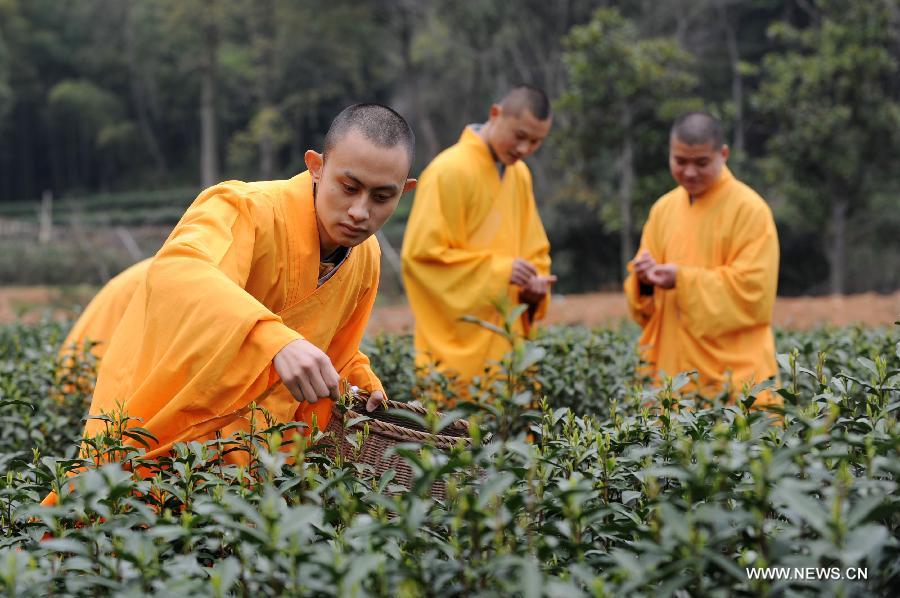
From this month till December, The Robert H. N. Ho Family Foundation Centre for Buddhist Studies at the University of Toronto is running a workshop series on the relationship between tea and Buddhist culture, history, and practice, along with tasting and sampling sessions with tea sommeliers. In the diverse regions covered in this series (the […]
Homage to Prajnaparamita
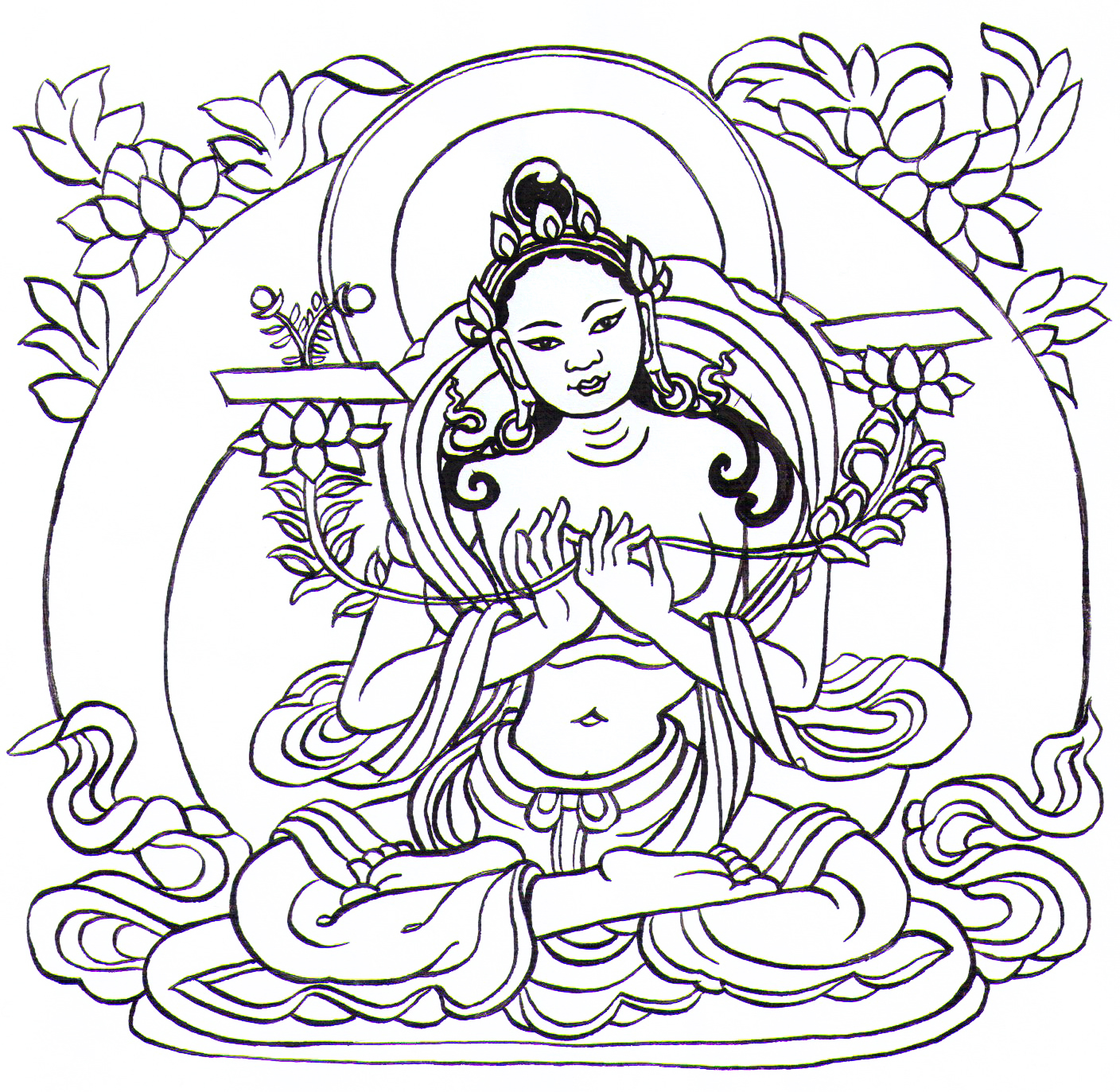
Prajnaparamita is the Buddhist goddess of wisdom, a personification of knowledge, revealed in the Prajnaparamita Sutras that laid the foundations of Mahayana Buddhism. The term combines the Sanskrit words prajna (wisdom) and paramita (perfection). Paramita is interpreted as having reached the opposite shore of samsara, and prajnaparamita is translated as “perfection of wisdom” or “transcendental […]
May the Force Be Unnecessary With You

One needs wisdom, strength, and ethics to pursue a Buddhist life. It’s a discipline and a challenge. It’s a journey through the internal world. The Star Wars film series depicts worldly struggle: lightsaber duels, space battles, galactic journeys, and political intrigue. How can a close examination of the movies deepen our appreciation of the Dhamma? […]
Cultural Repatriation of Buddhist Artifacts: A Job for Cool Heads
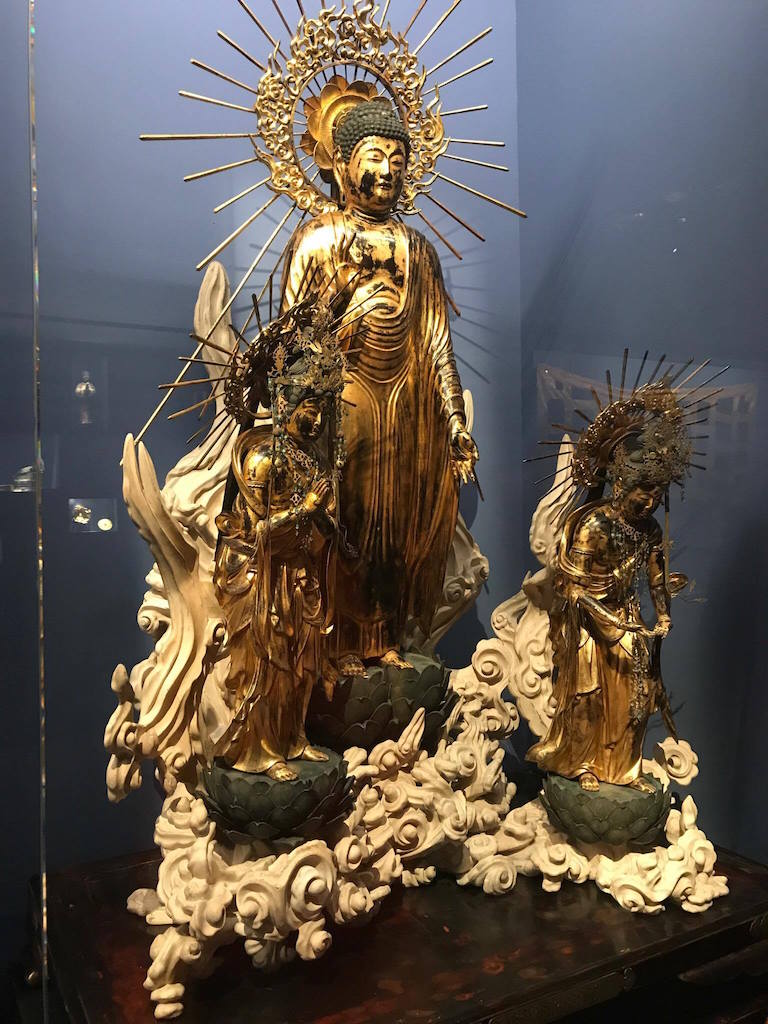
Instinctively, my politics is anti-imperialist and anti-colonialist. However, I also appreciate the complexity inherent in human affairs and recognize that nuance of thought is required even in—perhaps especially for—matters as emotionally charged as the repatriation of cultural and artistic relics. Today my fellow writer and blogger BD Dipananda has published an article looking back on […]
Master Huijing’s Dharma Words about the Purpose of Life
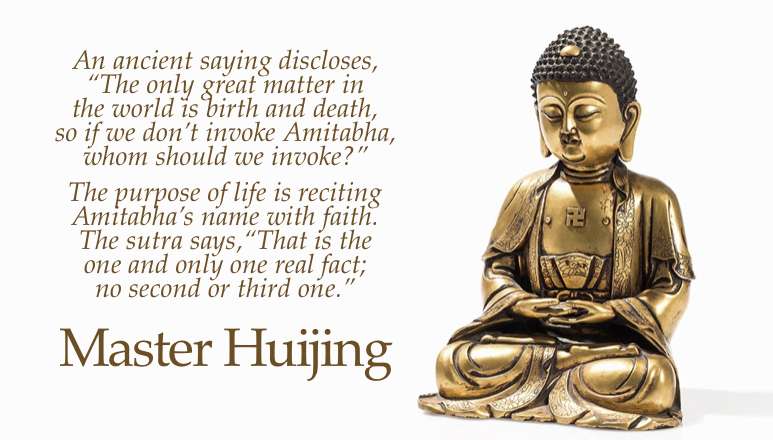
If we step back and pause to reflect a little, we’ll realize just how many concerns dog us in our daily existence. As Buddhists we shouldn’t seek to ignore the conventional realities that can cause concern and vexation to arise in us. I’d be the first to confess that I have plenty of worries. But […]
Good to See Our Own Misdeeds

Master Jingzong; English translation by Foyi, edited by Fojin Some people get panicky when they become aware of their own wrongdoings. Others stay nonchalant, as though they don’t see any transgression. As a matter of fact, those who can see their own misdeeds have reason to be quietly relieved. By contrast, those who are oblivious […]
Life, Death… All a Matter of Perspective

We like to tell ourselves that we intellectually (even if we struggle to emotionally) grasp the significance of death as the end of our present existence. But time, life, and death are nowhere near as commonsense as we think. In an article in The Independent, professor Robert Lanza lays out the concept of biocentrism: ‘the universe […]
The Right Balance: Negotiating Buddhist Power in Sri Lanka
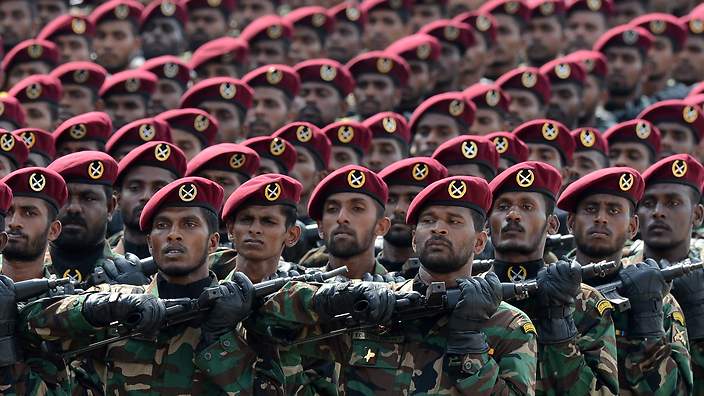
After a mob attacked a UN safe house for Rohingya refugees on 26 September near the Sri Lankan capital of Colombo, cabinet spokesman Rajitha Senaratne came out with some of the strongest public words I’ve seen leveled by a Buddhist public servant against fellow, self-proclaimed Buddhists. “As a Buddhist I am ashamed at what happened,” […]
No Easy Answers: Bangladesh’s Buddhists and Rohingya Refugees
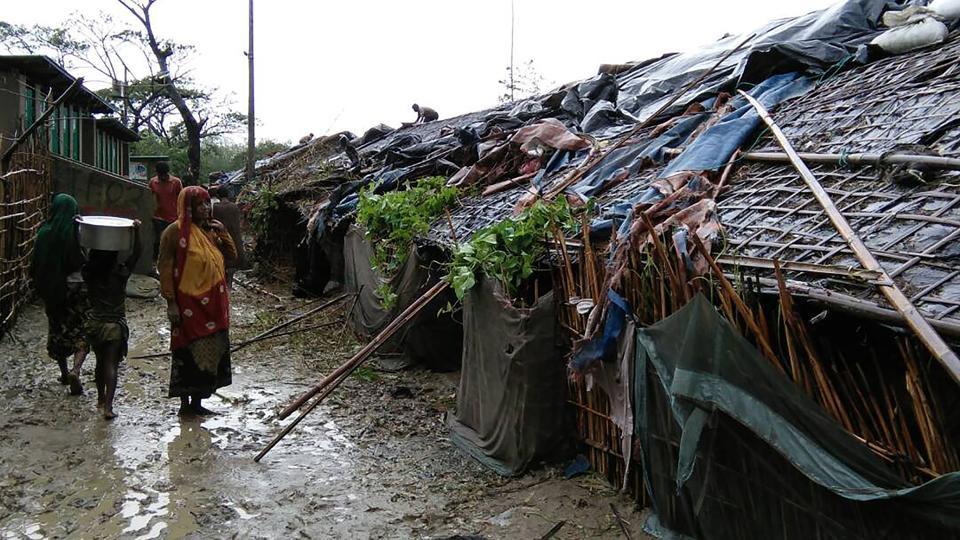
The tragedy of Myanmar’s displacement of Rohingya Muslims, aside from its complex ethnic, historical, and religious backdrop, is exacerbated by two essential political realities. The first is that Western media and governments erroneously saw what it wished to see in Aung San Suu Kyi throughout her difficult struggle against the Burmese junta. When she decided […]