
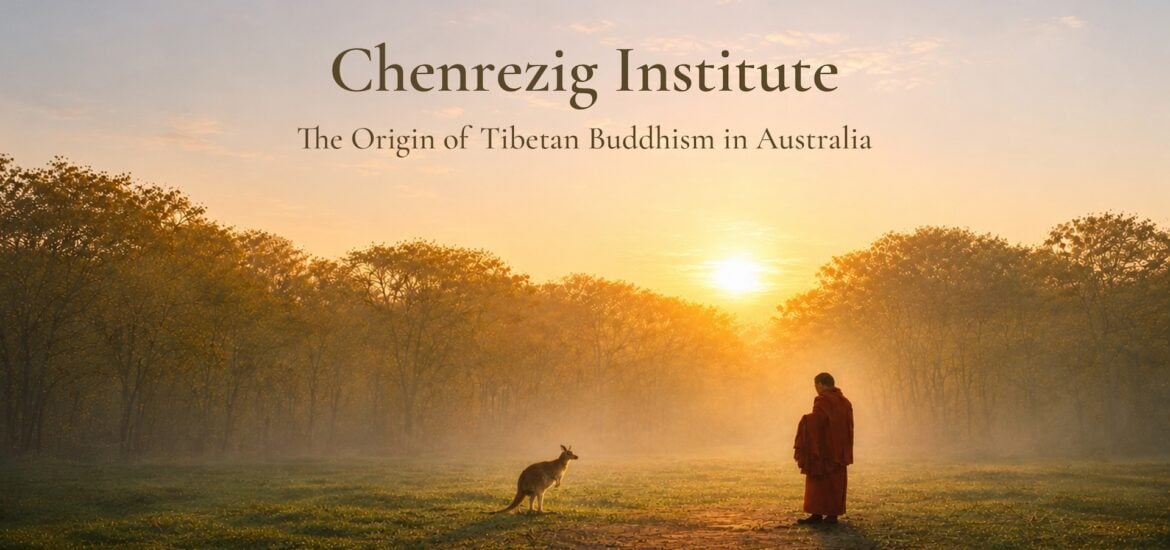
Chenrezig Institute: The Origin of Tibetan Buddhism in Australia is a feature-length documentary by Małgorzata Ola Dobrowolska, which charts the establishment of the first Vajrayana Buddhist center in Australia in the 1960s and 70s. The new movie won the Winner Award in the Spiritual Film category at the Love Peace and Freedom Film Festival in Naples in August. It will also be screened in person at the 13th Global Conference on Buddhism Kraków, Poland on 6–8 November 2026.
Buddhistdoor Global (BDG): In shaping the film’s narrative arc, how did you balance institutional continuity (the centre’s endurance over decades) with rupture (the radical break from mainstream norms becoming a Buddhist represented at the time of the 1970s and 80s)?
Małgorzata Ola Dobrowolska (MOD): For many years, I have been fascinated by one question: what happens when people consciously reject the values of mainstream society and attempt to build a different way of life?
What drew me to the story of the pioneers of Chenrezig Institute was not only that they rejected mainstream culture, but that they attempted to create an alternative community based on a different set of values, one that still exists today and continues to attract people from all over the world.
One of the great paradoxes of this story is that while hippies rejected the values of mainstream culture, mainstream culture initially rejected them as well. For the conservative majority of society, “flower children” were synonymous with the collapse of civilization. Meanwhile, many of the ideas they embraced eventually entered mainstream culture and became a valued part of it. Today, meditation, yoga, mindfulness, and Buddhism, including Tibetan Buddhism itself, are familiar and appreciated parts of Western life. Although hippies initially provoked widespread fear and disapproval, their movement permanently transformed mainstream culture, introducing ideas that are now considered fundamental to the modern Western way of life.
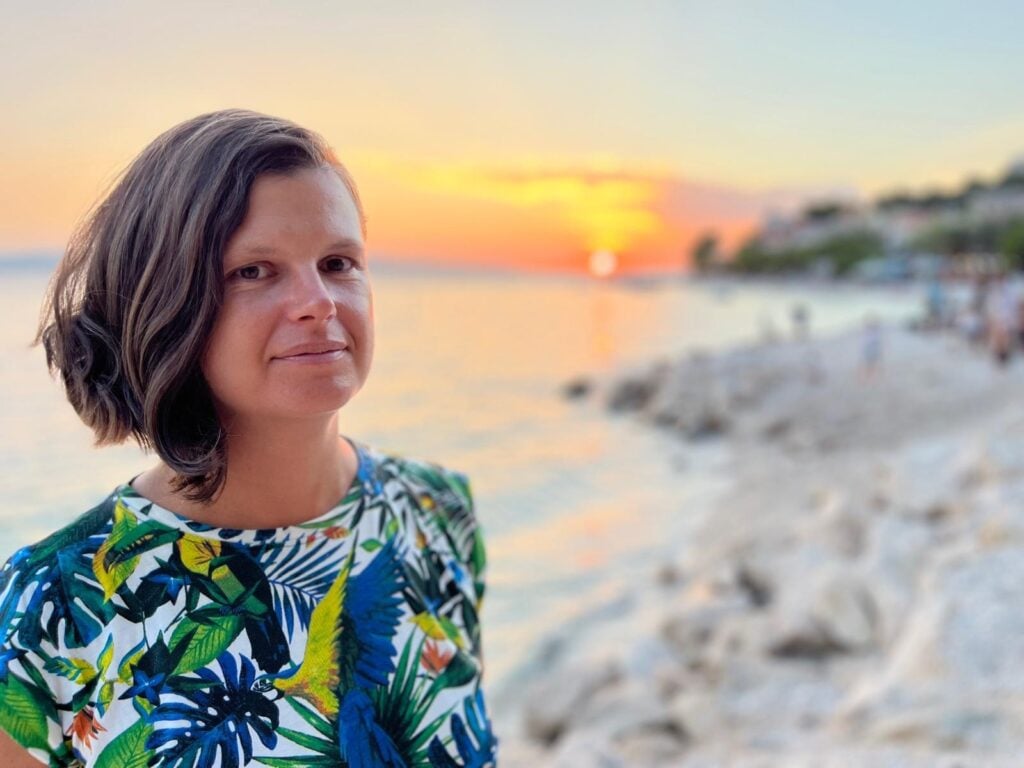
Like those young seekers from the 1970s, I too have felt a sense of disappointment with mainstream culture and have been searching for alternative ways of life. I am mainly interested in the question of how our beliefs and values shape our community and everyday life. I wanted to examine whether the ideals that inspired those early pioneers could truly survive the passage of time. Could an alternative community actually endure?
During my four years at Chenrezig Institute, I felt that the centre itself provided a fascinating answer to that question. More than fifty years after its founding, it remains shaped by many of the values that inspired its founders. However, both the centre and its pioneers have undergone profound transformations during that time. It’s no longer a small Tibetan Buddhist community made up largely of people who had rejected mainstream culture and were viewed with a certain amount of concern by the local community, but a thriving Tibetan Buddhist centre that attracts people from all walks of life and has become a source of pride for the region.
In the film, I focus primarily on the origins of Chenrezig Institute because this is where I found the greatest contrast and the greatest inspiration. I dedicate a lot of time in the film to those very beginnings; I was interested in capturing this fascinating moment in history as if under a microscope and in slow motion.
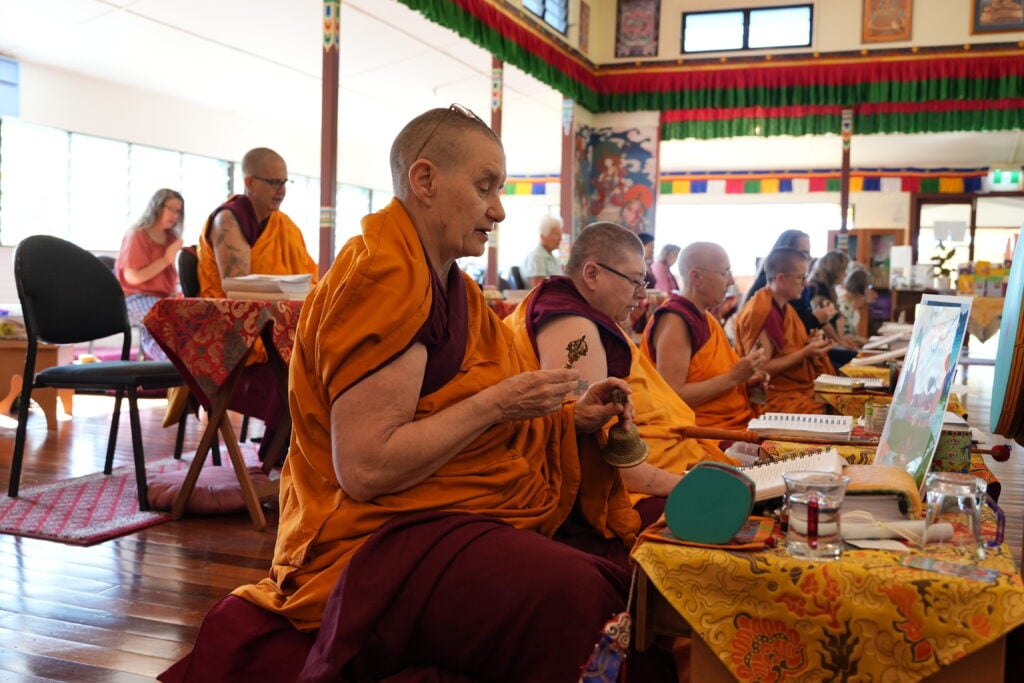
The founders of Chenrezig Institute were part of a much broader counterculture movement that emerged in the 1960s and 70s. By capturing those grassroots and spontaneous beginnings and juxtaposing them with the centre’s present-day appearance, the film highlights this transformation. It also strives to convey the complexity of this community and the challenges it has faced along the way.
This story shows what happened when a radical break from mainstream norms evolved into a lasting community. It demonstrates that questioning conventional values, when combined with spiritual search, persistence, and courage, can provide the foundation for an enduring institution. Ultimately, it has become a community deeply appreciated and supported by modern society, while continuing to leave a lasting impact on it.
BDG: What would you say is Chenrezig Institute’s legacy today, especially during your time in Australia filming and in conversations with practitioners there? How did the centre contribute to Buddhism in Australia today?
MOD: Founded in 1974, Chenrezig Institute was the first Tibetan Buddhist centre established by Lama Thubten Yeshe and Lama Zopa Rinpoche in the Western world, and it remains the oldest Tibetan Buddhist centre in Australia. At that time, Tibetan Buddhism was still largely unknown in the country. The centre emerged during a remarkable period of cultural and spiritual change, when many young Western seekers were searching for alternative ways of understanding life, community, and spirituality.
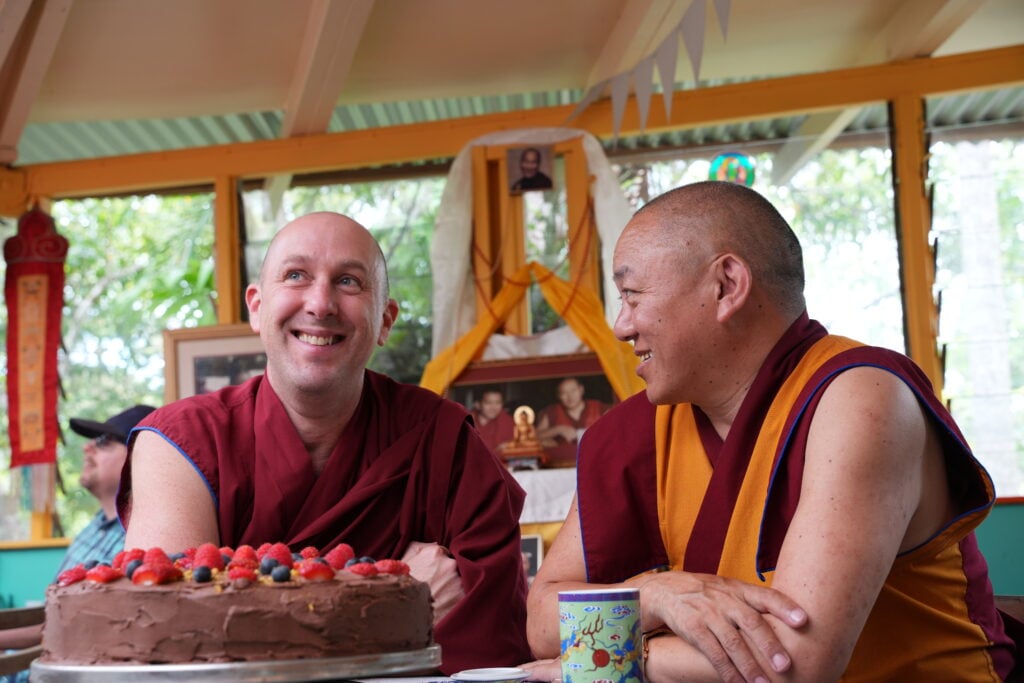
Over the past five decades, Chenrezig Institute has played an important role in establishing Tibetan Buddhism in Australia. Thousands of people have attended retreats, teachings, meditation courses, and volunteer programs there. Many practitioners and teachers began their Buddhist journey at Chenrezig Institute. For me, the centre’s legacy is in the lives of the people it has touched.
The centre also became part of a much larger historical process: the transmission of Tibetan Buddhism from the Himalayan region into Western societies. In that sense, Chenrezig Institute was not simply preserving a tradition but actively helping it take root in Australia.
I can see this even in my own story.
I bought a one-way ticket to Australia because I wanted to travel and make films. I was invited to present my previous documentary, Bhikkhuni: Buddhism, Sri Lanka, Revolution (https://bhikkhuni-film.com), at the Sakyadhita International Conference on Buddhist Women held in Australia, and someone suggested that I visit Chenrezig Institute. I looked at the website and thought it might be worth staying for a few months to learn more about Tibetan Buddhism and the experiences of women within the tradition.
Instead, I stayed for four years.
I began as a volunteer working in the kitchen and housekeeping. What struck me most at that time was the diversity of the community and the impact of the centre on the people. While cutting vegetables in the kitchen, I spent countless hours talking with volunteers, mainly backpackers traveling the world in search of meaning. Through these conversations, I began to understand the impact the centre has on people’s lives. This is when the idea for the film was born, and I began working on it.
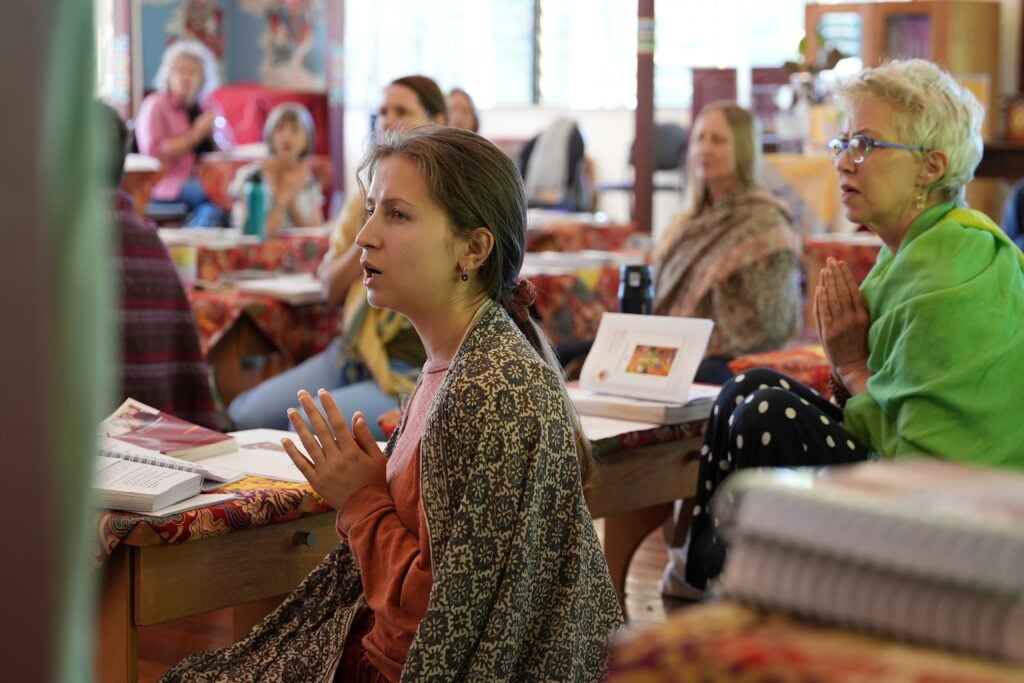
During the COVID pandemic, when the centre closed to visitors, I helped establish its in-house multimedia platform and livestream teachings online. At that time, I put my work on the documentary on hold because I felt it was important to help maintain the connection with students during this difficult period. Through this work, I saw that the influence of the centre extended far beyond Australia.
Looking back now from Poland, my four years at Chenrezig Institute sometimes feel like a fairy tale.
Far away, beyond the mountains and forests, on a hill hidden in the wild Australian bush, there lives an extraordinary community, a melting pot of cultures and ways of life. Nuns and monks living according to strict vows, backpackers searching for meaning, and one of the first students who helped build the place 50 years ago.
For me, this is the true legacy of Chenrezig Institute: not only preserving Tibetan Buddhist teachings, but creating a community where people from different generations, cultures, and walks of life can come together in a shared search for wisdom, compassion, and a meaningful way of living.
Małgorzata Ola Dobrowolska is a Polish documentary filmmaker whose work explores themes of spirituality, culture, and social transformation. She lived and worked at Chenrezig Institute in Australia for four years, where she served as Multimedia Coordinator and documented the community’s history in the film Chenrezig Institute: The Origin of Tibetan Buddhism in Australia.Her award-winning feature-length documentary, Bhikkhunī – Buddhism, Sri Lanka, Revolution, explores the revival of women’s ordination in Theravāda Buddhism.